
Blissful Mind Blog
Welcome to Blissful Mind, a therapy-informed blog exploring the intersection of mental health, workplace well-being, and human performance. This space brings together evidence-informed insights on emotional wellness, nervous system regulation, burnout, and resilience, alongside practical perspectives on leadership, organizational culture, and employee well-being.

The Role of Vulnerability in Healing, Counseling, and Relationships
A person’s perceived “weakness” is often misunderstood as “being too open,” “sharing too much,” “emotional instability,” etc. People often find safety and security through learning to put up walls, through remaining independent, and/or through controlling their emotions. While these coping mechanisms can be beneficial in various areas of life, they can also hinder an individual’s…


Why Emotional Intelligence Is a Retention Strategy
Although many organizations focus on keeping their employees with pay, benefits, and opportunities for advancement, much research has shown that it is the managers and work environment, not the job itself, that employees leave. Emotional intelligence (EI) is sometimes referred to as a “soft” skill. However, EI is a structural competency in a leader’s skills…
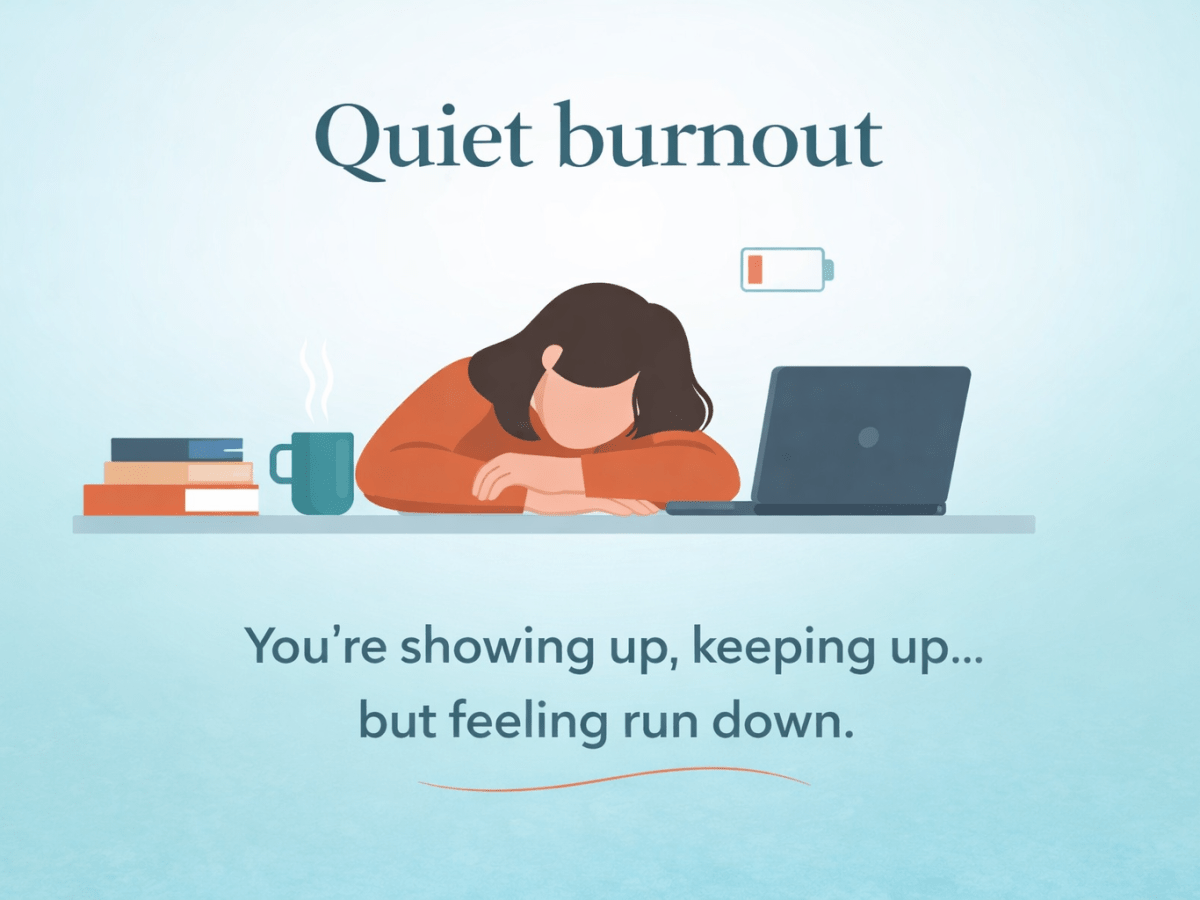
Preventing Quiet Burnout in the Workplace
The word “burnout” is a commonly used term to describe a breaking point where someone cannot function at work anymore. However, many people are experiencing “quiet burnout,” which means they are still able to go to work, meet expectations, and perform, but they are feeling mentally drained, disconnected from their job, and depleted physically. Quiet…
 Kokoro Balance Integrative Services